Rail & Rafter
Garage shelving
Garage shelving fails in two ways and neither is collapse. It sags, or it is the wrong depth — and the second one is decided by a measurement most people never take.

If you only read one line
Husky 4-Tier Welded Steel Rack, 77 x 78 x 24 in
2,500 lb per shelf and 10,000 lb across the unit. That is not a garage number, it is a warehouse number, and it means this is the last shelving you buy for that wall.
Skip it if you are storing light bulk — holiday bins, sleeping bags, empty coolers. You are paying for steel you will never load, and the same money buys twice the shelf area in a lighter unit.
Shelving is the workhorse of a garage and the least interesting thing in it, which is exactly why people buy it badly. It is the one category where the product that looks identical to the next one on the shelf is genuinely different in the two ways that matter.
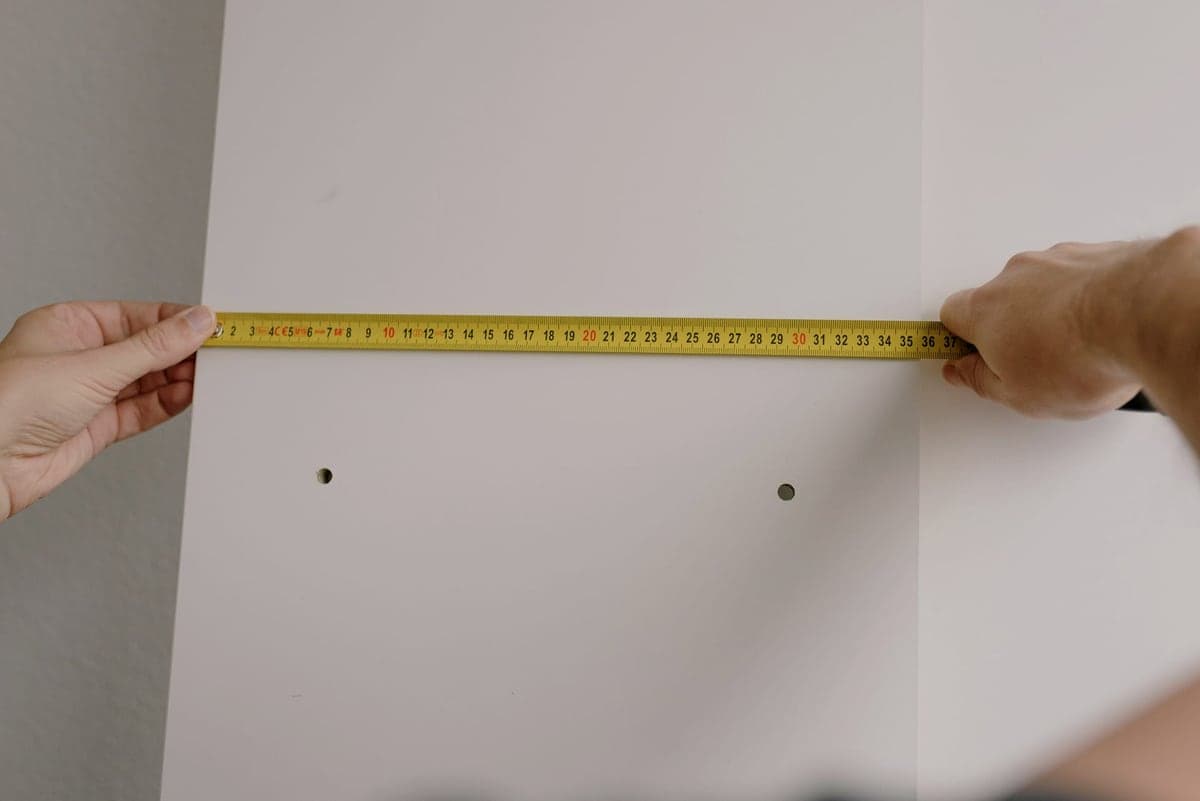
Measure your bins before you look at a single product page
The common 27-gallon totes are about 19.6 inches wide. An 18 inch deep shelf leaves every one of them overhanging by an inch and a half — on every shelf, forever. A 24 inch shelf takes them with about 4.4 inches to spare.
That single number eliminates roughly half the market for most people and takes ten seconds to check. The published dimensions are on garage shelving that fits totes.
How much capacity you actually need
Considerably less than the marketing suggests, and it is worth saying rather than upselling. A 27-gallon tote of holiday decorations is perhaps 20 to 30 lb; packed with books or hardware it can reach 60. Four of those on one shelf is 240 lb at the heavy end.
Against that, the Husky welded 4-tier publishes 2,500 lb per shelf evenly distributed and 10,000 lb total, with a lifetime warranty. You are not buying that because you need it — you are buying a shelf that never sags, never creeps and never needs thinking about again. That is a legitimate purchase, just not for the reason the number suggests.
The word doing the work in that figure is evenly distributed. A single dense object mid-span is a point load, which is a different case. Put heavy things near an upright rather than in the middle of the shelf — it costs nothing and it is the same principle as putting an overhead rack near a bearing wall.
Wire deck or solid deck
This is the second real decision and it splits on how damp your garage is.
Wire wins in a damp or unheated garage. Air moves through it, so a damp box dries rather than sitting in a puddle on a solid shelf, and you can see into the back of the shelf — which is where garage items go to be forgotten. Seville Classics UltraDurable publishes 800 lb per shelf on leveling feet.
Solid wins for loose small things. Anything that fits through the grid falls through it, and the wires mark soft painted finishes. Though the better answer for loose small things is usually a bin on the wire rather than a different deck.
Welded or bolt-together
Bolt-together is cheaper, packs flatter and can be reconfigured. It also develops a wobble, because every bolted joint works loose under a load that shifts each time you take a bin off.
Welded arrives heavy, assembles one way and stays rigid. For shelving that is going against a wall and staying there for a decade — which is what garage shelving does — welded is the right purchase.
When shelving is the wrong answer
- When the problem is floor, not storage. Shelving stands on the ground. If there is no floor left, the answer is overhead or a wall system.
- For hand tools. Tools on a shelf become a pile on a shelf. That is a wall problem.
- For chemicals or anything that should be locked. Open shelving is open — that is a cabinet question.
Where to start
Take the six measurements on how to plan garage shelving before you look at products — particularly the car-door check, which overrides everything else. Then the shelving ranking, or the heavy-duty ranking if what you are storing is dense.
If the garage is damp and the load is light, plastic is a legitimate answer rather than a compromise — the per-shelf ratings run from 40 to 150 lb and the spread is set out in the best plastic garage shelving.
If you are cross-shopping a big-box or flat-pack range first, the same three checks are applied to those in Home Depot garage shelving alternatives and IKEA garage storage alternatives.
Two more that answer the questions this hub gets asked most: how deep garage shelves should be settles the depth question with the tote arithmetic, and Husky against Seville Classics puts welded solid steel and NSF wire side by side on their published numbers.
If the floor is the thing you are short of rather than the wall, three more: the wall-mounted shelving ranking takes no floor at all, garage corner shelving uses the one wall nobody else wants, and rolling garage storage moves out of the way when the car comes back.
Start with the ranking

Best garage shelving
The best garage storage shelvesFive shelving units ranked on published per-shelf capacity and whether the depth takes a standard tote.Our top pick

Husky 4-Tier Welded Steel Rack, 77 x 78 x 24 in

Best heavy-duty shelving
The best heavy-duty garage shelvingHeavy-duty shelving on published load figures, plus when you are buying steel you will never load.Our top pick
Husky 4-Tier Welded Steel Rack, 77 x 78 x 24 in

Best wall shelf
The best wall-mounted garage shelvesWall shelves ranked on published capacity, depth and what they ask of the wall behind them.Our top pick

FlexiMounts WR24 2 x 4 ft Wall Shelf (2-pack)
Best rolling storage
The best rolling garage storageGarage storage on wheels ranked on published capacity, caster size and whether it locks.Our top pick

Seville Classics UltraHD Rolling Workstation, 36 x 24 in
Best plastic shelving
The best plastic garage shelvingPlastic shelving on published per-shelf ratings from 40 to 150 lb, and when steel is the better buy.Our top pick

Sterilite 5 Shelf Unit, 75 x 36 x 18 in
Everything else in shelving






Questions people actually ask
How deep should garage shelves be?
24 inches if you store standard totes — the common 27-gallon totes are about 19.6 in wide and an 18 in shelf leaves them overhanging. Go to 18 in only when a car door or walkway makes the extra six inches impossible.
How much weight can garage shelving hold?
It varies enormously. The Husky welded 4-tier publishes 2,500 lb per shelf and 10,000 lb total; Seville Classics UltraDurable wire shelving publishes 800 lb per shelf on leveling feet. Some brands do not publish per-shelf figures at all.
Is wire or solid shelving better for a garage?
Wire in a damp or unheated garage, because air moves and things dry. Solid if you are storing loose small parts or anything with a soft finish.
Sources
- Husky HBR782478W4R listingChecked September 1, 2026
- Seville Classics UltraDurable published capacitiesChecked September 1, 2026
- Sterilite published tote exterior dimensionsChecked September 1, 2026
Manufacturer documentation, manuals, warranty terms and exact product models reviewed September 1, 2026.